受動態の「壁」を乗り越える
あなたは、英語の基礎的な受動態(Be-Passive)は理解しているものの、以下のような複雑な表現を前に立ち止まったことはありませんか?
- 「昇給が与えられた」というとき、どのように表現すれば最も自然か?
- 「上司に残業をさせられた」というとき、make の受動態はどうなるのか?
- 「問題が対処された」というとき、句動詞(Phrasal Verbs)のどの部分を残すべきか?
Part 1で、日常会話で必須の Get-Passive や、進行形・完了形の受動態をマスターしました。この Part 2 では、あなたの文法力をさらに一段階引き上げ、ビジネスの場やアカデミックな文書で、より複雑かつ洗練された表現を可能にする応用構文を徹底的に解説します。
本記事で習得できる上級テクニック
本記事を読むことで、中級者がつまずきやすい受動態の「最難関」ルールを完全に攻略できます。
- 二重目的語(SVOO)の受動態: 間接目的語(人)と直接目的語(モノ)のどちらを主語にすべきかという、実務で最も自然なパターンを習得します。
- 使役動詞・知覚動詞の受動態: 能動態では原形不定詞だった動詞が、受動態で to が復活する特別なルール(例:Be made to…)を明確に理解します。
- 群動詞(句動詞)の受動態: 動詞と前置詞が一体となった句動詞を、前置詞を落とさずに受動態にする実用的なルールを習得します。
これらの応用構文を使いこなすことは、単に文法的な正確性を高めるだけでなく、あなたの英語表現をプロフェッショナルなレベルへと引き上げます。複雑なルールを体系的に整理し、ビジネスの現場で即座に役立つ例文と共に深く掘り下げていきましょう。
1. 二重目的語(SVOO)の受動態
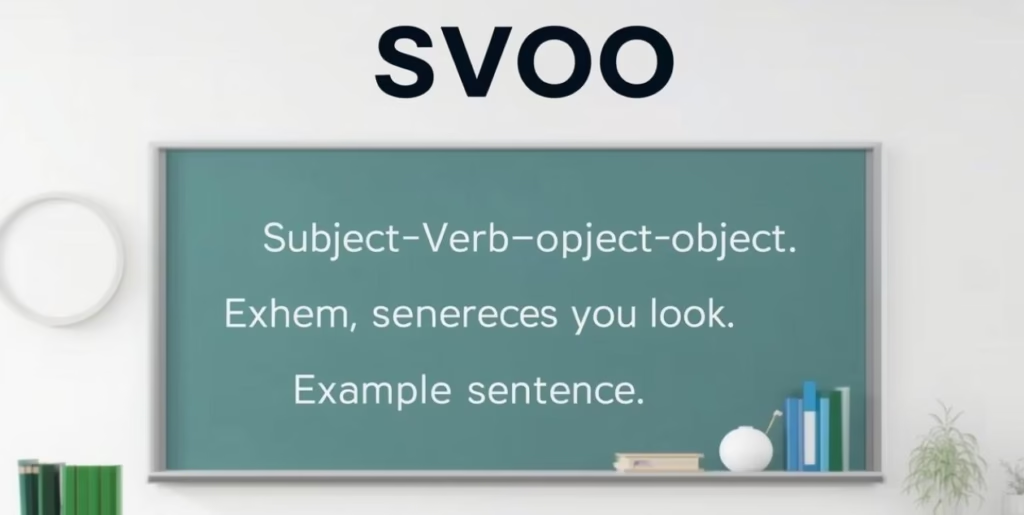
1.1 二重目的語とは:基本概念
これまで学んだ受動態は、比較的シンプルな構造でした。しかし、英語には「2つの目的語を取る動詞」があり、これらが受動態になる場合、若干複雑になります。
二重目的語構文(SVOO = Subject + Verb + Object + Object):
通常の動詞は以下の構造です:
主語 + 動詞 + 目的語(1つ)
例:I read a book.(私は本を読む)
しかし、特定の動詞は2つの目的語を取ることができます:
主語 + 動詞 + 間接目的語(人)+ 直接目的語(モノ)
例:I gave my colleague a report. (私は同僚にレポートを与えた)
- 間接目的語:my colleague(人)
- 直接目的語:a report(モノ)
この構文が受動態になる場合、2通りの受動態が可能です。これが重要なポイントです。
1.2 基本動詞の復習:二重目的語を取る動詞
まず、二重目的語を取る主要な動詞を整理しましょう。
| 動詞 | 意味 | 例文(SVOO) |
|---|---|---|
| give | 与える | Give someone something. |
| send | 送る | Send someone something. |
| tell | 伝える | Tell someone something. |
| teach | 教える | Teach someone something. |
| show | 見せる | Show someone something. |
| lend | 貸す | Lend someone something. |
| offer | 提供する | Offer someone something. |
| pay | 払う | Pay someone money. |
| Promise | 約束する | Promise someone something. |
| write | 書く | Write someone something. |
各動詞の実例
- give – 与える
The manager gave the team a deadline. (マネージャーはチームに期限を与えた) - send – 送る
She sent her colleague an email. (彼女は同僚にメールを送った) - tell – 伝える
She told me the whole story.(彼女は私にその話の全てを話してくれました) - teach – 教える
The trainer taught us new software. (トレーナーは私たちに新しいソフトウェアを教えた) - show – 見せる
Can you show me the report? (レポートを見せてもらえますか?) - lend – 貸す
They lent us the equipment. (彼らは私たちに機器を貸してくれた) - offer – 提供する
The company offered me a promotion. (会社は私に昇進を提供した) - pay – 払う
The client paid us a bonus. (クライアントは私たちにボーナスを払った) - promise – 約束する
He promised me a ride to the station. (彼は駅まで車で送ってくれると約束してくれました。) - write – 書く
Please write me a short report about the meeting. (会議についての短いレポートを書いて私に送ってください)
1.3 二重目的語構文の受動態:2通りの可能性
ここが重要です。二重目的語構文が受動態になる場合、2つの異なる受動態が作成可能です。
パターン1:間接目的語(人)を主語にする受動態
能動態:
The manager gave the team a deadline. (マネージャーはチームに期限を与えた)
受動態(人を主語に):
The team was given a deadline by the manager. (チームはマネージャーによって期限を与えられた)
この形式では、「人」が主語になります。
構造: 間接目的語(人)+ Be + 過去分詞 + 直接目的語(モノ)
パターン2:直接目的語(モノ)を主語にする受動態
能動態:
The manager gave the team a deadline. (マネージャーはチームに期限を与えた)
受動態(モノを主語に):
A deadline was given to the team by the manager. (期限がマネージャーによってチームに与えられた)
この形式では、「モノ」が主語になります。
構造: 直接目的語(モノ)+ Be + 過去分詞 + To + 間接目的語(人)
注意: モノを主語にする場合、人の前に「to」が必要になります。
モノ主語の受動態で「to」が必要な動詞は、能動態で「モノ→to/for→人」と書き換え可能な動詞に限定されます。動詞によって「to」か「for」か(例:buy は for)が変わります。
1.4 実務的な使い分け:どちらを使うべきか
理論的には両方が可能ですが、実務的にはパターン1(人を主語に)の方がはるかに自然です。
比較表:自然さの違い
| 形式 | 例文 | 自然さ | 説明 |
|---|---|---|---|
| パターン1(人が主語) | The team was given a deadline. | ⭐⭐⭐ とても自然 | 最もよく使われる形。英語では 人を主語 にした方が自然に聞こえる。 |
| パターン2(物が主語) | A deadline was given to the team. | ⭐⭐ やや不自然 | より形式的。文法的には正しいが、実際の会話ではあまり使われない。 |
実例で理解する
場面1:採用通知
パターン1(人主語)- 最も自然:
I was offered a position in the marketing department.
(私はマーケティング部門のポジションを提供された)
パターン2(モノ主語)- より形式的:
A position in the marketing department was offered to me.
(マーケティング部門のポジションは私に提供された)
実際の会話では、パターン1を使います:
A: Congratulations on the new job! (新しい職、おめでとうございます!)
B: Thank you! I was offered the position last week. I start next month.
(ありがとう!先週ポジションを提供されました。来月から開始します)
場面2:メール送信
パターン1(人主語)- 最も自然:
You were sent the report this morning. (あなたにはレポートが今朝送られました)
パターン2(モノ主語)- より形式的:
The report was sent to you this morning. (レポートは今朝あなたに送られました)
実際のメール:
Hi Sarah,
The project proposal was sent to you yesterday. Could you review it and send me your feedback by Friday?
(Hi Sarah、 プロジェクト提案は昨日あなたに送られました。レビューして金曜日までにフィードバックを送ってもらえますか?)
場面3:トレーニング
パターン1(人主語)- 最も自然:
The new employees were taught the company procedures.
(新入社員は会社の手順を教えられた)
パターン2(モノ主語)- より形式的:
The company procedures were taught to the new employees.
(会社の手順は新入社員に教えられた)
実際の会話:
A: Did you get the training? (トレーニングを受けましたか?)
B: Yes, we were taught all the safety procedures during the orientation.
(はい、オリエンテーション中に全ての安全手順を教えられました)
1.5 複数の例文で練習:能動態から受動態へ
例題1:Give系
能動態:
The CEO gave all employees a raise.
(CEOはすべての従業員に昇給を与えた)
- 受動態(パターン1 – 人主語):
-
All employees were given a raise by the CEO.
(すべての従業員はCEOによって昇給を与えられた) - 受動態(パターン2 – モノ主語):
-
A raise was given to all employees by the CEO.
(昇給はCEOによってすべての従業員に与えられた)
最も自然な表現:
All employees were given a raise.
(すべての従業員は昇給を受けた)
例題2:Send系
能動態:
The HR department sent every employee a new contract.
(HR部門はすべての従業員に新しい契約を送った)
- 受動態(パターン1 – 人主語):
-
Every employee was sent a new contract by the HR department.
(すべての従業員はHR部門によって新しい契約を送られた) - 受動態(パターン2 – モノ主語):
-
A new contract was sent to every employee by the HR department.
(新しい契約はHR部門によってすべての従業員に送られた)
実際のメール:
A new employment contract was sent to all employees yesterday. Please review it carefully and sign by Friday.
(新しい雇用契約はすべての従業員に昨日送られました。慎重にレビューして金曜日までに署名してください)
例題3:Teach系
能動態:
The system administrator taught the IT team a new programming language.
(システム管理者はITチームに新しいプログラミング言語を教えた)
- 受動態(パターン1 – 人主語):
-
The IT team was taught a new programming language by the system administrator.
(ITチームはシステム管理者によって新しいプログラミング言語を教えられた) - 受動態(パターン2 – モノ主語):
-
A new programming language was taught to the IT team by the system administrator..
(新しいプログラミング言語はシステム管理者によってITチームに教えられた)
1.6 不可能な動詞:人主語の受動態が作れない例外
すべての二重目的語動詞が、人主語の受動態を作れるわけではありません。 特定の動詞は、文法的には可能であっても、実務的には使われない、または作れません。
例外的な動詞
| 動詞 | 意味 | 問題点 | 説明 |
|---|---|---|---|
| envy | うらやむ | 人主語の受動態不可 | 「人がうらやまれた」という受動態は英語では不自然。I envy him.(受動にしない) |
| cost | 費用がかかる | 人主語の受動態不可 | The trip cost me $300. はOKだが、I was cost $300 は誤り。 |
| charge | 請求する | 注意が必要 | 受動態は可能だが、通常は別の表現を使う。例:I was charged $50. より They charged me $50. が自然。 |
1. Envy – うらやむ
能動態:
I envied my colleague the promotion.
(私は同僚がその昇進を得たことをうらやんだ)
人主語の受動態(不可):
✗ My colleague was envied the promotion. (不自然)
理由: 「人がうらやまれた」という表現は、英語の自然な感覚に合いません。ただし文法的に可能で、特に金銭的な文脈では使われる事がある。
代わりに使う表現:
My colleague’s promotion was envied by me. (同僚の昇進は私によってうらやまれた)
→ モノ主語を使う
または
I was envious of my colleague’s promotion. (私は同僚の昇進がうらやましかった)
→ 形容詞「envious」を使う
2. Cost – 費用がかかる
能動態:
The new equipment cost us a lot of money.
(新しい機器は私たちに多くのお金がかかった)
人主語の受動態(不可):
✗ We were cost a lot of money. (文法的に不正)
理由: 「cost」は「費用がかかる」という意味のため、人主語の受動態は作れません。
代わりに使う表現:
A lot of money was spent on new equipment. (新しい機器に多くのお金が費やされました)
→ 別の動詞「spend」を使う
3. Charge – 請求する
能動態:
The company charged us a high fee. (会社は私たちに高い手数料を請求した)
人主語の受動態:
We were charged a high fee. (私たちは高い手数料を請求された)
→ 文法的には可能だが、あまり使われない
より自然な表現:
A high fee was charged to us. (高い手数料は私たちに請求された)
または
A high fee was charged. (高い手数料が請求された)
1.7 実務的なポイント:二重目的語の受動態を正しく使う
実務的な例文集
1. ビジネス契約関連
The contract was given to the client yesterday. (契約はクライアントに昨日与えられました)
The terms were explained to all parties. (条件はすべての当事者に説明されました)
2. 報酬・給与関連
I was offered a competitive salary. (私は競争力のある給与を提供されました)
The bonus was paid to all team members. (ボーナスはすべてのチームメンバーに支払われました)
3. 情報・通知関連
We were sent an important email from management. (私たちは管理部門から重要なメールを送られました)
The new policy was announced to all employees. (新しいポリシーはすべての従業員に発表されました)
4. 研修・教育関連
The interns were taught the company standards. (インターンは会社の基準を教えられました)
All staff members were shown the evacuation procedures.
(すべてのスタッフメンバーは避難手順を見せられました)
2. 知覚動詞・使役動詞の受動態
2.1 知覚動詞・使役動詞とは
次に学ぶのは、より複雑な受動態です。知覚動詞と使役動詞は、特殊な構文を持つため、受動態になる場合に特別なルールがあります。
知覚動詞(Verbs of Perception)
知覚動詞は、「見る、聞く、感じる」などの感覚に関する動詞です:
- see – 見る
- hear – 聞く
- watch – 見張る
- observe – 観察する
- notice – 気づく
- feel – 感じる
知覚動詞の特徴: 目的語の後に「原形不定詞」または「現在分詞」が続きます
能動態での使用:
- 目的語 + 原形不定詞(to なし)
⇒ 行為全体を見た/聞いた- I saw him leave the room.
- I heard her sing a song.
- 目的語 + 現在分詞(V-ing)
⇒ 行為の途中・一部を見た/聞いた- I saw him leaving the room.
- I heard her singing a song.
使役動詞(Causative Verbs)
使役動詞は、「~させる、~してもらう」という意味の動詞です:
- make – ~を強制する
- have – ~してもらう
- let – ~を許可する
- get – ~させる(より口語的)
使役動詞の特徴: 目的語の後に「原形不定詞」または「to不定詞」が続きます
能動態での使用:
1. make / let / have
👉 目的語 + 原形不定詞(to なし)
- make(~させる:強制)
- The teacher made the students stand up.
先生は生徒たちを立たせた。
- The teacher made the students stand up.
- let(~させてあげる:許可)
- My parents let me stay out late.
両親は私が遅くまで外にいるのを許してくれた。
- My parents let me stay out late.
- have(~してもらう:依頼)
- I had my assistant book the tickets.
アシスタントにチケットを予約してもらった。
- I had my assistant book the tickets.
2. get(~させる:説得・働きかけ)
👉 目的語 + to 不定詞
- I got my brother to help me.
弟に手伝ってもらった(説得して手伝わせた)。 - She got the kids to clean their room.
彼女は子どもたちに部屋を片付けさせた。
3. help(どちらも可能)
👉 目的語 + 原形不定詞 / to 不定詞 の両方OK
- He helped me move the furniture.
- He helped me to move the furniture.
彼は家具を動かすのを手伝ってくれた。
(※意味は同じ。口語では原形不定詞が多い。)
2.2 使役動詞の受動態:be made to
最も重要な使役動詞の受動態は「make」です。
Make の受動態:Be made to + 原形不定詞
- 能動態:
-
The manager made the team work overtime.
(マネージャーはチームに残業をさせた) - 受動態:
-
The team was made to work overtime.
(チームは残業をさせられた)
重要なポイント: 能動態で「work」(原形不定詞)の前に「make」があるため、受動態になると「be made to work」(to不定詞)に変わります。
なぜ「to」が現れるのか
能動態:make + 原形不定詞
受動態:be made to + 不定詞
この変化は、受動態の一般的なルールです。受動態では、目的語の後の不定詞は「to不定詞」になります。
Make の受動態の実例
例題1:労働環境
能動態:
The company made us attend the training program.
(会社は私たちにトレーニングプログラムに出席させた)
受動態:
We were made to attend the training program. (私たちはトレーニングプログラムに出席させられた)
実際の会話:
A: Did you enjoy the training? (トレーニングは楽しかったですか?)
B: Not really. We were made to attend even though it wasn’t very relevant to my job.
(あまり楽しくありません。私の仕事に関連していないのに出席させられました)
例題2:責任追及
能動態:
The manager made the employee apologize publicly. (マネージャーは従業員に公然と謝罪させた)
受動態:
The employee was made to apologize publicly. (従業員は公然と謝罪させられた)
例題3:ビジネス慣行
能動態:
The organization made everyone sign a new agreement. (組織はみんなに新しい契約に署名させた)
受動態:
Everyone was made to sign a new agreement. (みんなは新しい契約に署名させられた)
実際のメール:
All staff members were made to complete the new compliance training by the end of this month.
(すべてのスタッフメンバーは今月末までに新しいコンプライアンストレーニングを完了させられています)
2.3 Have と Let の受動態
Have の受動態:Have + 目的語 + 不定詞
Have は「~してもらう」という意味で、通常は受動態で直訳される場合は稀です。なぜなら、既に意味的に「~してもらう」という受動的ニュアンスを持っているからです。
- 能動態:
-
I had him fix the printer.
(私は彼にプリンターを修理してもらった) - 受動態(ほぼ使われない):
-
✗ The printer was had fixed. (文法的に不正)
より自然な表現:
I had the printer fixed. (プリンターを修理してもらった) → 対象をモノにする
または
The printer was fixed for me. (プリンターは私のために修理された)
Let の受動態:注意が必要
Let の受動態は、特に複雑です。能動態では「let + 目的語 + 原形不定詞」ですが、受動態では以下のように変わります。
能動態:
The manager let us leave early. (マネージャーは私たちに早く帰ることを許可した)
受動態(文法的には可能だが稀):
✗ We were let leave early. (文法的に不正 – allow を使うのが自然)
正しい受動態:
We were allowed to leave early. (私たちは早く帰ることを許可された)
→ 「let」の代わりに「allow」を使う
Let の受動態:別のアプローチ
能動態:
Don’t let anyone into the office. (誰もオフィスに入れるな)
受動態:
No one is allowed into the office. (誰もオフィスに入ることを許可されていない)
→ 「let」の代わりに「allow」を使う
2.4 知覚動詞の受動態:See, Hear など
知覚動詞の受動態は、独特のパターンを持ちます。
See の受動態:Be seen to + 不定詞
能動態:
I saw him leave the office. (私は彼がオフィスを出るのを見た)
受動態:
He was seen to leave the office. (彼はオフィスを出るのが見られた)
または
He was seen leaving the office. (彼はオフィスを出るのが見られた)
Hear の受動態:Be heard to + 不定詞
能動態:
I heard her complain about the workload. (私は彼女がワークロードについて不平を言うのを聞いた)
受動態:
She was heard to complain about the workload. (彼女がワークロードについて不平を言うのが聞かれた)
または
She was heard complaining about the workload. (彼女がワークロードについて不平を言うのが聞かれた)
実務的な使用例
例題1:オフィス噂
能動態:
Several people saw him arguing with the CEO. (何人かが彼がCEOと言い争っているのを見た)
受動態:
He was seen arguing with the CEO. (彼はCEOと言い争っているのが見られた)
実際の会話:
A: Did you hear about the incident? (その事件について聞きました?)
B: Yes, he was seen arguing with the CEO in the hallway. It was quite dramatic.
(はい、彼が廊下でCEOと言い争っているのが見られました。かなりドラマチックでした)
例題2:パフォーマンス評価
能動態:
The committee observed her present a comprehensive analysis.
(委員会は彼女が包括的な分析を発表するのを観察した)
受動態:
She was observed presenting a comprehensive analysis. または
She was observed to present a comprehensive analysis.
(彼女が包括的な分析を発表するのが観察された)
2.5 知覚動詞の受動態:2つの形式
知覚動詞の受動態には、実は2つの異なる形式があります。
| 形式 | 例文 | 使用場面・ニュアンス |
|---|---|---|
| Be + 過去分詞 + to 不定詞 | He was seen to leave. | より 形式的・文語的。論文・報告書など固い文章で使用されやすい。 |
| Be + 過去分詞 + 現在分詞(~ing) | He was seen leaving. | より 自然・口語的。日常の英会話や一般的な文章でよく使われる。 |
形式の比較
- 形式1:To不定詞(より形式的):
-
The witness was heard to say that he saw the manager take the money.
(証人がマネージャーがお金を取るのを見たと言うのが聞かれた) - 形式2:現在分詞(より自然):
-
The witness was heard saying that he saw the manager taking the money.
(証人がマネージャーがお金を取るのを見たと言っているのが聞かれた)
実務的には、現在分詞の形(形式2)がより自然に聞こえます:
- She was seen leaving the building at 9 PM.
(彼女は午後9時にビルを出るのが見られた) - He was heard arguing with the client on the phone.
(彼がクライアントと電話で言い争っているのが聞かれた) - The CEO was observed interviewing candidates in the conference room.
(CEOが会議室で候補者にインタビューしているのが観察された)
2.6 使役動詞・知覚動詞の受動態:実務的な活用例
シーン1:紀律的な状況
能動態:
The HR manager made the employee attend anger management training.
(HR マネージャーは従業員に怒り管理のトレーニングに出席させた)
受動態:
The employee was made to attend anger management training.
(従業員は怒り管理のトレーニングに出席させられた)
実際の人事メール:
Due to the recent incident, you have been made to complete the conflict resolution course by the end of the month.
(最近のインシデントのため、あなたは月末までに紛争解決コースを完了させる事とされています)
シーン2:観察・評価
能動態:
The department head observed her solve a complex problem independently.
(部長は彼女が複雑な問題を独立して解決するのを観察した)
受動態:
She was observed solving a complex problem independently.
(彼女が複雑な問題を独立して解決するのが観察された)
実際の評価記録:
The candidate was seen effectively managing multiple projects simultaneously. She was also observed collaborating well with team members.
(候補者は複数のプロジェクトを同時に効果的に管理するのが見られた。彼女はまたチームメンバーとよく協力するのが観察された)
3. 群動詞(句動詞)の受動態
3.1 群動詞とは:定義と概念
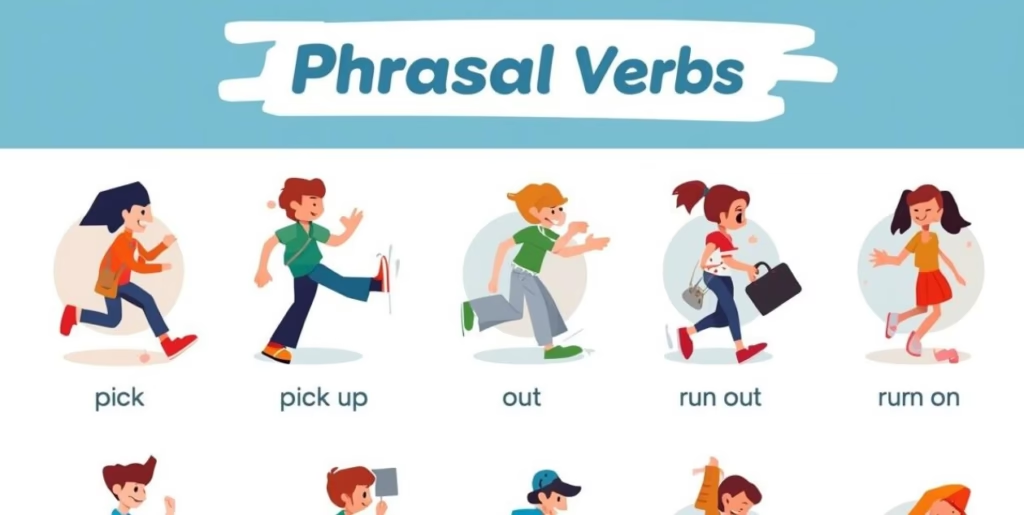
群動詞(Phrasal Verbs) または 句動詞は、動詞と前置詞や副詞が組み合わさって、新しい意味を持つ表現です。
定義
群動詞 = 動詞 + 前置詞/副詞
この組み合わせで、単独の動詞とは異なる意味を持ちます。
群動詞の例
| 群動詞 | 意味 | 例文 |
|---|---|---|
| look after | 世話をする | Look after the client. |
| take care of | ケアする / 対応する | Take care of the project. |
| bring in | 導入する | Bring in new ideas. |
| carry out | 実行する | Carry out the plan. |
| put off | 延期する | Put off the meeting. |
| follow up | フォローアップする | Follow up with the client. |
| deal with | 対応する | Deal with the problem. |
| go through | 検討する / 詳細に確認する | Go through the documents. |
| come up with | 案を出す / 思いつく | Come up with solutions. |
| point out | 指摘する | Point out the error. |
3.2 群動詞を受動態にする際のルール
群動詞を受動態にする場合、最も重要なルールは以下です:
ルール:前置詞や副詞を省略しない
群動詞の前置詞や副詞は、受動態になった後も必ず保持されなければなりません。
能動態:
We looked after the client. (私たちはクライアントの世話をした)
受動態:
The client was looked after by us. (クライアントは私たちによって世話をされた)
注意: 「looked」の後に「after」が付いたままです。「The client was looked」とはなりません。群動詞の受動態では、「by us」のように行為者(by-agent)を付けると不自然に聞こえることが多く、行為者は省略されるのが自然です。
なぜ前置詞を保持するのか
群動詞は、動詞と前置詞がセットで初めて意味を成します。
- look = 見る
- look after = 世話をする
前置詞を落とすと、元の意味が失われます。
3.3 群動詞の受動態:実例集
1. Look after – 世話をする
能動態:
The team looked after the client’s needs. (チームはクライアントのニーズの世話をした)
受動態:
The client’s needs were looked after by the team. (クライアントのニーズはチームによって世話をされた)
実際の会話:
A: How was your client experience? (クライアント体験はどうでしたか?)
B: Great! All my needs were looked after by the team. They were very professional.
(素晴らしい!すべてのニーズはチームによって世話をされました。とても専門的でした)
2. Take care of – ケアする
能動態:
I will take care of the arrangements. (私は準備の手配をします)
受動態:
The arrangements will be taken care of by me. (準備はかされるでしょう)
より自然な表現:
The arrangements will be taken care of. (準備は処理されます)
実際のメール:
Don’t worry about the logistics. Everything will be taken care of by our team.
(ロジスティクスについて心配しないでください。すべてはチームによって処理されます)
3. Carry out – 実行する
能動態:
The contractor will carry out the repairs. (請負業者は修理を実行します)
受動態:
The repairs will be carried out by the contractor. (修理は請負業者によって実行されます)
実際の通知:
The maintenance will be carried out next week. Please plan accordingly.
(メンテナンスは来週実行されます。それに応じて計画してください)
4. Put off – 延期する
能動態:
We had to put off the meeting. (私たちはミーティングを延期しなければなりませんでした)
受動態:
The meeting was put off. (ミーティングは延期されました)
実際のメール:
Subject: Meeting Update
The team meeting has been put off until next Thursday due to the manager’s schedule conflict.
(チームミーティングはマネージャーのスケジュール競合のため、来週木曜日まで延期されました)
5. Follow up – フォローアップする
能動態:
The sales team followed up with the lead.
(営業チームは見込み客をフォローアップした)
受動態:
The lead was followed up with by the sales team.
(見込み客は営業チームによってフォローアップされました)
6. Deal with – 対応する
能動態:
The manager dealt with the complaint. (マネージャーは苦情に対応しました)
受動態:
The complaint was dealt with by the manager. (苦情はマネージャーによって対応されました)
実際の会話:
A: Was the customer complaint handled? (顧客の苦情は対応されましたか?)
B: Yes, it was dealt with immediately by our customer service team.
(はい、すぐにカスタマーサービスチームによって対応されました)
7. Go through – 検討する
能動態:
The team went through all the proposals. (チームはすべての提案を検討しました)
受動態:
All the proposals were gone through by the team. (すべての提案はチームによって検討されました)
より自然な表現:
All the proposals were reviewed by the team. (すべての提案はチームによってレビューされました) → より単純な動詞を使う
8. Come up with – 案を出す
能動態:
The creative team came up with a brilliant idea.
(クリエイティブチームは素晴らしいアイデアを思いついた)
受動態:
A brilliant idea was come up with by the creative team.
(素晴らしいアイデアはクリエイティブチームによって思いつかれました)
より自然な表現:
A brilliant idea was created by the creative team. または
The creative team came up with a brilliant idea. → 能動態の方が自然
9. Point out – 指摘する
能動態:
The auditor pointed out several discrepancies.
(監査人はいくつかの相違点を指摘しました)
受動態:
Several discrepancies were pointed out by the auditor.
(いくつかの相違点は監査人によって指摘されました)
実際のレポート例:
During the audit, several issues were pointed out by the external firm. We are addressing each one promptly.
(監査中に、外部企業によっていくつかの問題が指摘されました。各々に迅速に対応しています)
10. Bring in – 導入する
能動態:
The company brought in new technology. (会社は新しい技術を導入しました)
受動態:
New technology was brought in by the company. (新しい技術は会社によって導入されました)
実際のアナウンス:
New project management software has been brought in to improve our workflow efficiency.
(新しいプロジェクト管理ソフトウェアは、ワークフロー効率を改善するために導入されました)
3.4 群動詞の受動態:注意が必要なケース
ケース1:目的語が複数の場合
群動詞によっては、複数の目的語を取る場合があります。
能動態:
We set up the new office with modern equipment.
(私たちは新しいオフィスを最新の機器でセットアップしました)
受動態(オフィスを主語に):
The new office was set up with modern equipment.
(新しいオフィスは最新の機器でセットアップされました)
ケース2:前置詞が複数ある場合
能動態:
I ruled out the possibility of a merger. (私は合併の可能性を排除しました)
受動態:
The possibility of a merger was ruled out. (合併の可能性は排除されました)
3.5 群動詞の受動態:実務的な活用例
シーン1:プロジェクト管理
能動態:
The project manager brought in external consultants.
(プロジェクトマネージャーは外部コンサルタントを導入しました)
受動態:
External consultants have been brought in to assess the project status.
(外部コンサルタントはプロジェクト状況を評価するために導入されています)
実際のメール:
External consultants have been brought in to evaluate our current operations. They will be interviewing staff over the next two weeks.
(外部コンサルタントは現在の運営を評価するために導入されました。来週の2週間、スタッフにインタビューします)
シーン2:問題解決
能動態:
We dealt with the technical issue immediately. (私たちは技術的問題にすぐに対応しました)
受動態:
The technical issue was dealt with immediately. (技術的問題はすぐに対応されました)
実際のステータス更新:
Subject: System Outage – Resolved
The network outage that occurred this morning was dealt with by our IT team within 30 minutes. Service has been fully restored.
(今朝発生したネットワーク障害はITチームによって30分以内に対応されました。サービスは完全に復旧しました)
シーン3:ビジネス開発
能動態:
The business development team came up with three new market strategies.
(事業開発チームは3つの新しい市場戦略を思いついた)
受動態:
Three new market strategies have been come up with by the business development team.
(3つの新しい市場戦略は事業開発チームによって思いつかれています)
より自然な表現:
Three new market strategies have been developed by the business development team. (3つの新しい市場戦略は事業開発チームによって開発されました)
シーン4:クライアント対応
能動態:
The account manager followed up with the client.
(アカウント管理者はクライアントをフォローアップしました)
受動態:
The client was followed up with by the account manager.
(クライアントはアカウント管理者によってフォローアップされました)
より自然な表現:
The client has been followed up with to confirm the details.
(クライアントは詳細を確認するためにフォローアップされています)
4. 複雑な受動態の応用構文

主要なポイント
1. 二重目的語(SVOO)の受動態:
- 2つのパターンが可能(人主語、モノ主語)
- 人主語のパターンの方がはるかに自然
- 例外的な動詞(envy, cost)では作れない場合がある
2. 使役動詞の受動態:
- Make → Be made to + 不定詞(重要!)
- Have の受動態はほぼ使われない(代わりに have + モノ + 過去分詞)
- Let → allow to が自然な表現
3. 知覚動詞の受動態:
- Be + 過去分詞 + To不定詞(形式的)
- Be + 過去分詞 + 現在分詞(より自然)
- 実務では現在分詞形がより使われる
4. 群動詞の受動態:
- 前置詞や副詞を必ず保持する
- 群動詞 + 前置詞が「セット」で意味を成す
- 能動態の方が自然な場合も多い
実務的な応用チェックリスト
複雑な受動態を使うときの確認事項:
- 二重目的語を含むか?
→ 人を主語にする(パターン1)を優先 - Make を含むか?
→ Be made to + 不定詞を使う - 知覚動詞を含むか?
→ 現在分詞形(Be + 過去分詞 + 現在分詞)が自然 - 群動詞を含むか?
→ 前置詞・副詞を保持する → 能動態の方が自然な場合は能動態を選ぶ
複雑な受動態の実務的な活用場面
| 場面 | 使用される形式 | 例文 |
|---|---|---|
| 人事通知 | 二重目的語(人が主語) | You were offered a promotion. |
| 強制的な状況 | make の受動態(made to + V) | We were made to sign the agreement. |
| 観察・報告 | 知覚動詞の受動態(be + 過去分詞 + 現在分詞/不定詞) | She was seen leaving early. |
| プロジェクト報告 | 群動詞の受動態 | The plan was carried out successfully. |
| クライアント対応 | 群動詞の受動態 | The client was followed up with. |
練習問題

Part 1:二重目的語(SVOO)の受動態
能動態を意味が自然な受動態(最も自然なもの)に書き換えなさい。
- The manager gave the team clear instructions.
- The HR department sent all employees the updated policy.
- The trainer taught the interns the new workflow system.
- The company offered Sarah a leadership position.
- he client paid us an additional fee.
Part 2:使役動詞(make / have / let)の受動態
能動態 → 受動態に。自然な英語になるように注意。
- The supervisor made the staff redo the entire report.
- I had my assistant arrange the schedule.
- The manager let the team leave early.
Part 3:知覚動詞(see / hear / observe)の受動態
能動態 → 受動態。 “to 不定詞 / 現在分詞” どちらでもよいが自然さを優先。
- Several people saw him enter the building.
- I heard her complaining about the project delays.
- The director observed the engineers solving the issue.
Part 4:群動詞(句動詞)の受動態
能動態 → 受動態に。
- The team dealt with the customer’s complaint immediately.
- We carried out the safety inspection yesterday.
- The staff looked after the VIP guests very well.
- They put off the meeting again.
- The audit revealed several issues, and the manager pointed out the errors.
Part 5:文脈から最も自然な受動態を選ぶ(応用)
A〜D から1つ選びなさい。
- “________ to all employees yesterday. Please review the document.”
- A. The new policy was sent
- B. The new policy was sent to all employees
- C. All employees were sent the new policy
- D. The new policy got sent
- “The employees ________ an additional survey.”
- A. were made do
- B. were made to do
- C. got made to do
- D. were let do
- “Several safety issues ________ during the inspection.”
- A. were pointed out
- B. were pointed
- C. got pointed out
- D. were pointed to
解答
Part 1:二重目的語(SVOO)の受動態
- The team was given clear instructions.(自然:人主語)
別解: Clear instructions were given to the team. - All employees were sent the updated policy.
別解: The updated policy was sent to all employees. - The interns were taught the new workflow system.
別解: The new workflow system was taught to the interns. - Sarah was offered a leadership position.(実務で最も自然)
- We were paid an additional fee.
別解: An additional fee was paid to us.
Part 2:使役動詞(make / have / let)の受動態
- The staff was made to redo the entire report.
✔ make → be made to + 動詞原形 - The schedule was arranged by my assistant.
✗ The assistant was had arrange… → 不可能
✔ モノ主語の「have + モノ + 過去分詞」を使う - The team was allowed to leave early.
※let の受動態は不自然 → allow を使う
Part 3:知覚動詞(see / hear / observe)の受動態
- He was seen entering the building.
別解(形式的): He was seen to enter the building. - She was heard complaining about the project delays.
- The engineers were observed solving the issue.
別解: were observed to solve the issue(やや形式的)
Part 4:群動詞(句動詞)の受動態
- The customer’s complaint was dealt with immediately.
- The safety inspection was carried out yesterday.
- The VIP guests were looked after very well.
- The meeting was put off again.
- The errors were pointed out by the manager.
Part 5:文脈から最も自然な受動態を選ぶ(応用)
- C. All employees were sent the new policy.
理由:- 「人主語」が最も自然(PDF解説どおり)
- A / B は可能だがやや形式的
- D は不自然
- B. were made to do
理由:make → be made to + 動詞 - A. were pointed out
群動詞 point out の受動態は “were pointed out”
まとめ

応用構文マスターのための主要ポイント再確認
今回のレッスンでは、高度で複雑な受動態の応用構文を体系的に学びました。これらのルールは、文法的な正確性が求められるフォーマルな場面で非常に重要です。
| 応用構文 | 鍵となるルール | 実務的な活用例 |
| 二重目的語 (SVOO) | 「人」を主語にするパターン(I was given the report.)が最も自然。 | 昇進、報酬、情報提供の通知。 |
| 使役動詞 (Make) | 能動態の原形不定詞が、受動態で to 不定詞に変わる(was made to work.)。 | 強制的な指示やルール伝達。 |
| 知覚動詞 | to 不定詞(形式的)または 現在分詞(was seen leaving.)を使う。 | 観察記録や評価、状況の目撃報告。 |
| 群動詞(句動詞) | 前置詞/副詞を必ず保持する(was dealt with.)。 | 問題解決、プロジェクト実行、タスクの処理。 |
🎯 文法力と英会話力を強化するための学習アドバイス
この高度な文法知識を「使える力」に変えるための実践的な学習アドバイスを3つご紹介します。
- 「逆変換」ドリルで定着を図る
- 受動態の例文を見て、すぐに能動態に直す練習をしてください。例えば、「The employee was made to attend the course.」を見て、能動態(The manager made the employee attend the course.)を思い浮かべる訓練です。この逆変換を繰り返すことで、受動態が作られた背景にある能動態の構文が深く理解できます。
- ビジネス文書からのパターン抽出
- 海外のニュース記事、ビジネスメール、公式レポートなどを読み、SVOOの受動態や群動詞の受動態(例:The issue was dealt with.)がどのように使われているかを意識的に探し、ノートに書き出しましょう。実際の文脈で学ぶことで、知識が実践的なツールに変わります。
- 「自然な選択」を意識する
- 能動態の方が自然な群動詞(例:come up with)や、受動態が不自然な動詞(例:let, cost)については、無理に受動態を使うのではなく、能動態のままにするか、代替動詞(例:allow to, spend)を使う習慣をつけましょう。文法的に正しくても不自然な表現を避けることが、上級者への第一歩です。
次のステップ
Part 1、Part 2を通して、受動態の基本から応用までを完全にカバーしました。次の Part 3では、受動態を学ぶ上で最も重要な要素、「受動態を使わない方が良い場面」と「能動態と受動態の最終的な選択指針」について学びます。この選択指針をマスターすることで、あなたは状況に応じて最も適切な表現を選ぶことができるようになります。
📖 さらなる英語学習をお考えの方へ

基礎から学び直したい方はこちら
語彙力を強化したい方はこちら

本格的な英語学習方法を知りたい方はこちら

このガイドは、35年以上の英語教育経験を持つ矢野晃によって作成されました。数千人の講師を育て数千人の生徒を指導してきた実績に基づく、実践的で効果的な学習方法をお届けしています。