英文法マスターへの最終章!不定詞(to V)、動名詞(V-ing)、分詞の「使い分け」の核心を掴む
英語・英会話学習者の皆さん、こんな悩みを抱えていませんか?
- 「to V」、「V-ing」、そして「V-ed」… 似たような形ばかりで、いつどれを使えばいいのかいつも迷う。
- enjoy playing と want to play の違いは暗記しているが、根本的な理由がわからない。
- interesting と interested のような感情を表す分詞の使い分けで、つい間違えてしまう。
これらの文法事項は、英文法の最難関であると同時に、英語話者の「思考のスタンス」が最も色濃く現れる部分です。この連載記事全体を通して、私たちは単なる暗記を捨て、この三つの表現が持つ「時間軸」「能動・受動」というコアな概念を理解することを目指してきました。
本章では、これまで学んだ不定詞(未来志向)、動名詞(経験・事実)、そして分詞(能動・受動)の知識を統合します。これらの文法的な土台をしっかりと固めることで、あなたは複雑な英文の構造を瞬時に理解し、自信を持ってニュアンスまで正確な英語を話せるようになるでしょう。英文法マスターへの最終ステップを今すぐ踏み出しましょう!
1 現在分詞:~している(能動・進行・原因)

現在分詞の根本的特徴
現在分詞は、「能動的に、進行中である、または原因となっている」 という意味を持つ表現です。
現在分詞のコア = “active & ongoing”
(能動的で進行中)
この特徴は、現在分詞がどのような文脈で使用されても、根本的に変わりません。
パターン1:名詞を修飾する
最も基本的かつ頻出の用法です。分詞が一語で名詞を修飾するときは直前に置かれ、句や節を伴うときは直後に置かれます。
基本構造
- 現在分詞+名詞
a running boy = 走っている少年(進行中の動作)
a sleeping cat = 眠っている猫(進行中の状態)
an interesting book = 興味深い本(興味を起こさせる動作) - 名詞 + 現在分詞
a man talking on the phone= 電話で話している男性(進行中の動作)
students studying in the library= 図書館で勉強している学生たち(進行中の動作)
the woman wearing a red dress= 赤いドレスを着ている女性(身につけている状態)
例文:職場での使用
I saw a man talking on the phone in the hallway.
(廊下で電話で話している男性を見ました。)
→ talking が man を修飾(誰の動作か説明)
The children playing in the park are from our neighborhood.
(公園で遊んでいる子どもたちは、私たちの近所からです。)
→ playing が children を修飾(どのような状態か説明)
Do you know the woman sitting next to me?
(私の隣に座っている女性を知っていますか?)
→ sitting が woman を修飾(現在の位置・動作を説明)
The problem facing our company is serious.
(当社が直面している問題は深刻です。)
→ facing が problem を修飾(問題が何であるか説明)
An interesting book is on the table.
(興味深い本がテーブルの上にあります。)
→ interesting が book を修飾(本の特性を説明)
例文:日常会話での使用
She greeted the arriving guests with a warm smile.
(彼女は到着するゲストを温かい笑顔で迎えました。)
The running water was too cold for a comfortable shower.
(流れている水はシャワーには冷たすぎました。)
My neighbor is a wonderful woman raising three children alone.
(私の隣人は、3人の子どもを一人で育てている素晴らしい女性です。)
The accident involving multiple vehicles caused a massive traffic jam.
(複数の車が関わった事故は、大渋滞を引き起こしました。)
実践的なメール・ビジネス文書での使用
The project management team developing this solution has extensive experience.
(このソリューションを開発しているプロジェクト管理チームは、豊富な経験を持っています。)
We welcome feedback from clients using our product.
(私たちの製品を使用しているクライアントからのフィードバックを歓迎します。)
The challenges facing our department require immediate attention.
(私たちの部門が直面している課題は、直ちに注意を必要とします。)
Employees working remotely should maintain regular communication with their teams.
(リモートで仕事をしている従業員は、チームとの定期的なコミュニケーションを維持すべきです。)
パターン2:分詞フレーズ(文頭や文中で使用)
現在分詞が複数の単語からなる「分詞フレーズ」として、文の前後に置かれることもあります。詳しくは次のレッスンで解説しますが、ここでは基本的な形式を紹介します。
基本構造
現在分詞 + 目的語/修飾語…,主文
Walking down the street, I saw an old friend.
(通りを歩いていて、昔の友人に会いました。)
例文:時間的な流れを示す
Waiting for the bus, she checked her phone.
(バスを待っている間、彼女は携帯をチェックした。)
Hearing the bell, everyone stopped working.
(ベルの音が聞こえて、皆は仕事を止めた。)
Working hard, they managed to finish the project on time.
(懸命に働いて、彼らはプロジェクトを時間通りに完了させた。)
Reading the email, I understood the situation immediately.
(メールを読んで、私はすぐに状況を理解した。)
Entering the conference room, everyone stood to greet us.
(会議室に入ると、皆が立ち上がって私たちを迎えた。)
例文:職場での使用
Looking at the financial results, I’m concerned about Q3 performance.
(財務結果を見て、Q3のパフォーマンスについて懸念しています。)
Reviewing the proposal, I noticed several important details.
(提案を見直して、いくつかの重要な詳細に気づきました。)
Collaborating with the team, we developed an innovative solution.
(チームと協力して、革新的なソリューションを開発しました。)
Analyzing the market data, we identified new opportunities for growth.
(市場データを分析して、成長の新しい機会を特定しました。)
Considering the timeline, we need to prioritize the critical tasks.
(タイムラインを考慮して、重要なタスクを優先する必要があります。)
例文:メール・ビジネス文書での使用
Looking at your proposal, I think it has great potential.
(あなたの提案を見て、それは大きな可能性があると思います。)
Considering the current market conditions, we should move forward with caution.
(現在の市場状況を考慮して、注意深く進めるべきです。)
Having reviewed the documents, I’m prepared to discuss the details.
(書類を確認して、詳細について議論する準備ができています。)
Following your recommendations, we’ve implemented the necessary changes.
(あなたの推奨に従って、必要な変更を実装しました。)
パターン3:「原因」や「理由」を表す現在分詞
現在分詞は、ある事象の「原因」や「理由」を表すこともあります。この用法では、「なぜそのようなことが起こったのか」という背景を説明します。
基本構造
現在分詞 + …,主文(結果)
Not knowing what to do, he asked for help.
(何をしたらいいか分からなくて、彼は助けを求めた。)
→ not knowing が理由、asked が結果
例文:理由・原因を示す
Not knowing the answer, I raised my hand to ask a question.
(答えを知らなかったので、質問するために手を挙げました。)
Being tired after work, I decided to order dinner instead of cooking.
(仕事の後で疲れていたので、夕食を注文することにしました。)
Realizing the importance of the meeting, she prepared thoroughly.
(会議の重要性を認識して、彼女は十分に準備しました。)
Knowing his reputation, I was impressed by his modesty.
(彼の評判を知っていたので、彼の謙虚さに感動しました。)
Observing the market trends, the company decided to pivot its strategy.
(市場トレンドを観察して、会社は戦略を転換することを決定しました。)
例文:職場での使用
Not having received confirmation, I sent a follow-up email.
(確認を受け取っていなかったので、フォローアップメールを送りました。)
Lacking sufficient data, we postponed the final decision.
(十分なデータが不足していたので、最終決定を延期しました。)
Facing tight deadlines, the team worked overtime to meet expectations.
(タイトな期限に直面して、チームは期待に応えるために残業しました。)
Understanding the budget constraints, we explored cost-effective alternatives.
(予算制約を理解して、我々は費用対効果の高い代替案を検討しました。)
実践的なメール・文書での使用
Being aware of the deadline, I wanted to confirm the current status.
(期限を認識していたので、現在のステータスを確認したかったです。)
Not having received your response, I’m following up on my previous email.
(あなたの返信を受け取っていなかったので、前のメールをフォローアップしています。)
Recognizing the urgency of the situation, we’ve allocated additional resources.
(状況の緊急性を認識して、追加リソースを配分しました。)
現在分詞の意味的レイヤー
レイヤー1:進行中の動作
→ a running man(走っている男性)
→ talking on the phone(電話で話している)
レイヤー2:その動作・状態の特性
→ an interesting book(興味深い本)
→ a confusing explanation(混乱させる説明)
レイヤー3:その動作・状態がもたらす結果・原因
→ Hearing the noise, I woke up.
(ノイズを聞いて、目が覚めた。)
2 過去分詞:~される(受動・完了・結果)

過去分詞の根本的特徴
過去分詞は、「受動的に、完了した、または結果として表れている」 という意味を持つ表現です。
過去分詞のコア = “passive & completed”
(受動的で完了)
この特徴は、過去分詞がどのような文脈で使用されても、根本的に変わりません。
パターン1:名詞を修飾する
分詞が一語で名詞を修飾するときは直前に置かれ、句や節を伴うときは直後に置かれます。
基本構造
- 過去分詞+名詞
a broken window = 壊れた窓(窓が壊された状態)
a completed project = 完了したプロジェクト(完成した状態)
a reserved seat = 予約された座席(誰かが予約した) - 名詞 + 過去分詞
a letter sent from Canada= カナダから送られてきた手紙(送付元を説明)
the boy injured in the accident= 事故でけがをした少年(理由・状況を説明)
a picture taken at the beach= ビーチで撮影された写真(撮影場所を説明)
例文:職場での使用
The broken equipment needs to be replaced immediately.
(壊れた機器はすぐに交換する必要があります。)
→ broken が equipment を修飾(壊された状態)
I’m reading a book recommended by my friend.
(友人に推奨された本を読んでいます。)
→ recommended が book を修飾(誰かに推奨された)
The problems discussed yesterday need urgent solutions.
(昨日議論された問題は、緊急の解決が必要です。)
→ discussed が problems を修飾(話し合われた過去のこと)
Attached is the document requested by the client.
(クライアントが要求した書類が添付されています。)
→ requested が document を修飾(要求された)
The company founded in 1980 is now a leader in the industry.
(1980年に設立された会社は、現在業界のリーダーです。)
→ founded が company を修飾(設立された過去)
The strategies implemented last quarter showed positive results.
(先四半期に実装された戦略は、好ましい結果を示しました。)
→ implemented が strategies を修飾(実装された状態)
例文:日常会話での使用
The damaged car was towed away by the mechanic.
(損傷した車は、整備士によって牽引されました。)
I found the lost keys in the kitchen drawer.
(失われたキーをキッチンの引き出しで見つけました。)
The broken bicycle is in the garage waiting for repair.
(壊れた自転車は、修理を待つためにガレージにあります。)
The prepared meal was delicious and satisfied everyone.
(用意された食事は美味しく、皆を満足させました。)
実践的なメール・ビジネス文書での使用
Here’s the presentation you requested for tomorrow’s meeting.
(明日の会議のために要求したプレゼンテーションです。)
The budget approved by management is now available for allocation.
(経営陣に承認された予算は、配分の準備ができています。)
Please find the attached files needed for the project.
(プロジェクトに必要な添付ファイルを見つけてください。)
The schedule proposed by the team will be finalized next week.
(チームが提案したスケジュールは、来週確定します。)
パターン2:分詞フレーズ(文頭や文中で使用)
過去分詞が複数の単語からなる「分詞フレーズ」として、文の前後に置かれることもあります。
基本構造
過去分詞 + 修飾語…,主文
Built in 1990, the building is still in excellent condition.
(1990年に建てられた、その建物は今でも良好な状態にあります。)
例文:完了や状態を示す
Finished with the report, he submitted it to the manager.
(レポートが完了して、彼はそれをマネージャーに提出した。)
Divided into three groups, the team worked on different tasks.
(3つのグループに分けられて、チームは異なるタスクに取り組んだ。)
Accepted by the committee, the proposal will be implemented next month.
(委員会に受け入れられて、提案は来月実装されます。)
Concerned about the deadline, the manager accelerated the project timeline.
(期限について懸念して、マネージャーはプロジェクトのタイムラインを加速させました。)
Trained by experienced professionals, the new employees performed exceptionally.
(経験豊富な専門家によって訓練されて、新入社員は例外的に成績を上げました。)
例文:職場での使用
Scheduled for next Monday, the meeting will discuss the merger.
(来週月曜日に予定された、その会議は合併について議論します。)
Approved by senior management, the initiative can now proceed.
(上級管理職に承認されて、イニシアティブは進むことができます。)
Completed ahead of schedule, the project exceeded all expectations.
(予定より早く完了して、プロジェクトはすべての期待を超えました。)
Required by law, all companies must maintain detailed financial records.
(法律で要求されて、すべての企業は詳細な財務記録を維持する必要があります。)
例文:メール・ビジネス文書での使用
Prepared by our team, the analysis reveals several important insights.
(私たちのチームによって用意された、分析はいくつかの重要な洞察を明らかにします。)
Based on the requirements specified in your proposal, we’ve developed the following solution.
(あなたの提案で指定された要件に基づいて、我々は以下のソリューションを開発しました。)
Reviewed by the compliance team, the document is ready for distribution.
(コンプライアンスチームによって確認されて、ドキュメントは配布の準備ができています。)
過去分詞の意味的レイヤー
レイヤー1:完了した行為
→ a completed project(完了したプロジェクト)
→ finished work(終わった仕事)
レイヤー2:受動的に作用された状態
→ a broken window(壊された窓)
→ an injured patient(けがをさせられた患者)
レイヤー3:結果としての現在の状態
→ a married couple(結婚した夫婦)
→ an experienced professional(経験を持つプロフェッショナル)
3 分詞 vs. 形容詞:判断基準と使い分け
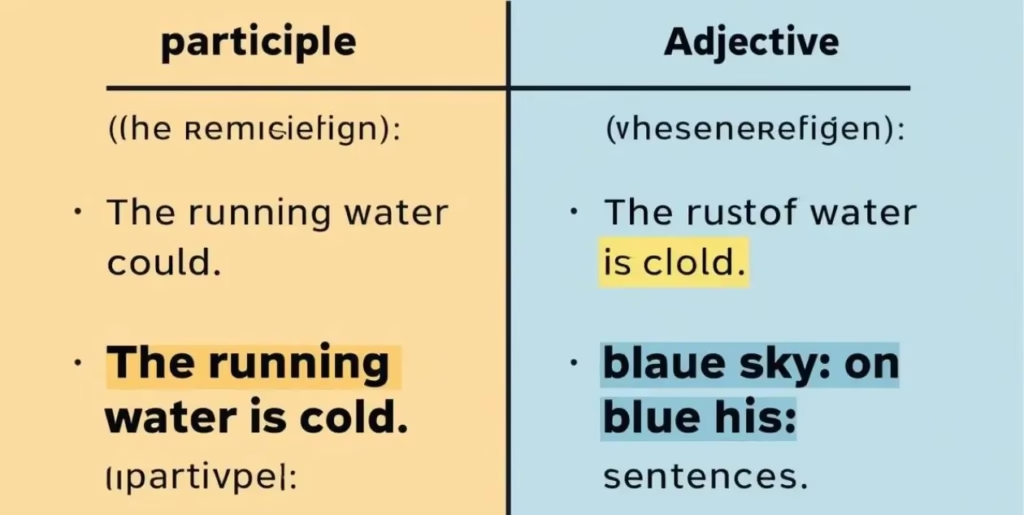
分詞と形容詞が形態上区別しにくい場合
interested / interesting, confused / confusing などの語彙は、形容詞としても分詞としても機能するため、多くの学習者が混乱します。
この混乱を解決するカギは、「原因は何か」「誰が受け手か」という観点です。
重要な判断基準
判断軸1:「原因が何か」
- 原因が「物」や「事柄」 → -ing をつける
- 原因が「人」または「状況」→ –ed をつける(人が受け手の場合)
判断軸2:「誰が影響を受けているか」
- その特性や感情が「外部から影響される」 → -ed
- その特性や感情が「相手に働きかける」→ -ing
パターン1:interested / interesting
例文で理解する
This book is interesting.
(この本は興味深い。)
→ 原因:「本」という物
→ 「本が」人に興味を起こさせる
→ interesting(-ing)を使用
I’m interested in this book.
(私はこの本に興味がある。)
→ 原因:「本」という物
→ 「私が」本によって興味を持たされた(受け手)
→ interested(-ed)を使用
実践的な例
The presentation was interesting.
(プレゼンテーションは興味深かった。)
→ プレゼンテーション自体が興味深い特性を持つ
→ interesting
She was interested in the presentation.
(彼女はそのプレゼンテーションに興味を持っていました。)
→ 彼女が、プレゼンテーションによって興味を持たされた
→ interested
The movie was exciting.
(その映画は興奮させるものだった。)
→ 映画が、見る人を興奮させる性質を持つ
→ exciting
We were excited about the movie.
(私たちはその映画について興奮していました。)
→ 私たちが、映画によって興奮させられた
→ excited
パターン2:confused / confusing
例文で理解する
The situation was confusing.
(その状況は混乱させるものだった。)
→ 原因:「状況」という事柄
→ 状況が、人を混乱させる性質を持つ
→ confusing(-ing)を使用
I was confused by the situation.
(その状況に混乱させられました。)
→ 原因:「状況」
→ 「私が」混乱した状態(受け手)
→ confused(-ed)を使用
実践的な例
The explanation was confusing.
(その説明は混乱させるものだった。)
→ 説明が不明確で、人を混乱させる
→ confusing
The students were confused by the explanation.
(学生たちはその説明に混乱させられました。)
→ 学生が、説明によって混乱した
→ confused
パターン3:その他の頻出ペア
disappointed / disappointing
The result was disappointing.
(その結果は失望させるものだった。)
→ 結果が失望の原因
→ disappointing
She was disappointed by the result.
(彼女はその結果に失望しました。)
→ 彼女が失望した状態
→ disappointed
The news was disappointing.
(そのニュースはがっかりさせるものでした。)
They were disappointed with the news.
(彼らはそのニュースにがっかりしました。)
bored / boring
The lecture was boring.
(その講義は退屈だった。)
→ 講義が退屈させる特性を持つ
→ boring
I was bored by the lecture.
(その講義で退屈しました。)
→ 私が、講義によって退屈させられた状態
→ bored
The work was boring.
(その仕事は退屈だった。)
The employees were bored with their jobs.
(従業員は自分の仕事に退屈していました。)
surprised / surprising
The result was surprising.
(その結果は驚くべきものでした。)
→ 結果が驚きの原因
→ surprising
We were surprised by the result.
(その結果に驚きました。)
→ 我々が驚いた状態
→ surprised
The news was surprising.
(そのニュースは驚くべきものでした。)
I was surprised to hear the news.
(そのニュースを聞いて驚きました。)
worried / worrying
The situation is worrying.
(その状況は心配な(心配させる)ものです。)
→ 状況が心配の原因
→ worrying
I‘m worried about the situation.
(その状況について心配しています。)
→ 私が心配した状態
→ worried
The trend is worrying.
(そのトレンドは心配な(心配させる)ものです。)
The manager is worried about the trend.
(マネージャーはそのトレンドについて心配しています。)
判断フローチャート
質問1:その感情・状態はどこから来ている?
- ① 外部から働きかけている(原因が外側)
-
→ -ing を使う
(=その事柄が人に影響を与えている)- interesting
- confusing
- disappointing
- surprising
- ② 内部で感じている(人が受けた結果の状態)
-
→ -ed を使う
(=人がその事柄の影響を受けた状態)- interested
- confused
- disappointed
- surprised
質問2:形容詞の対象は「物・事柄」か「人」か?
- ● 対象が「物・事柄」
-
→ その物の性質・特徴を表す
→ -ing を使う例:
- a boring book
- an exciting movie
- a confusing rule
- ● 対象が「人」
-
→ 人がどう感じているかを表す
→ -ed を使う例:
- a bored person
- an excited audience
- a confused student
職場での実践的な使用
The project is interesting.
(そのプロジェクトは興味深い。)
→ プロジェクト自体の特性
I’m interested in the project.
(そのプロジェクトに興味を持っています。)
→ 私の関心の状態
The results are concerning.
(その結果は懸念すべきものです。)
→ 結果が懸念の原因
We are concerned about the results.
(その結果について懸念しています。)
→ 私たちの懸念の状態
The proposal is promising.
(その提案は有望です。)
→ 提案自体の特性
The team is excited about the proposal.
(チームはその提案について興奮しています。)
→ チームの興奮の状態
よくある誤用パターンと修正
誤用1
✗ I’m interesting in learning new languages.
○ I’m interested in learning new languages.
説明:「私が」興味を持っている状態なので -ed を使用
誤用2
✗ The conference was interested.
○ The conference was interesting.
説明:「会議が」興趣の原因なので -ing を使用
誤用3
✗ The explanation made me confusing.
○ The explanation made me confused.
説明:「私が」混乱した状態なので -ed を使用
誤用4
✗ She was surprising by the news.
○ She was surprised by the news.
説明:「彼女が」驚いた状態なので -ed を使用
誤用5
✗ This job is very bored.
○ This job is very boring.
説明:「仕事が」つまらない性質を持つので -ing を使用
整理表:-ing vs. -ed の使い分け
| 形式 | 用途 | 対象 | 例 |
|---|---|---|---|
| -ing | 原因・性質 | 物・事柄・状況 | interesting, confusing, disappointing |
| -ed | 状態・結果 | 人・生き物 | interested, confused, disappointed |
実践的なメール・文書での使用
【正しい使用例】
This is a very interesting proposal.
(これは非常に興味深い提案です。)
I’m interested in discussing the details further.
(詳細についてさらに議論することに関心があります。)
The current market situation is concerning.
(現在の市場状況は懸念です。)
We are concerned about meeting the deadline.
(期限に間に合うことについて懸念しています。)
The results are disappointing.
(その結果は失望させるものです。)
The team is disappointed with the progress.
(チームは進捗に失望しています。)
4 まとめ:現在分詞 vs. 過去分詞 vs. 形容詞

最終的な整理表
| 項目 | 現在分詞(V-ing) | 過去分詞(V-ed) | 形容詞との違い |
|---|---|---|---|
| コア意味 | active & ongoing | passive & completed | 特性・状態 |
| 動作の主体 | 名詞が自発的に動作 | 名詞が受動的に影響される | 対象が特性を持つ |
| 例(名詞修飾) | a running boy | a broken window | an interesting book |
| 例(感情) | compelling reason | confused person | interested student |
| 時間性 | 進行中・現在 | 完了・過去 | 状態・特性 |
| 用例 | Moving car, exciting news | Moved furniture, excited crowd | Beautiful day, interesting topic |
判断の実践的フロー
能動的・進行中 → 現在分詞(V-ing)
受動的・完了 → 過去分詞(V-ed)
- 外から働きかけている
→ -ing を使用(interesting, confusing) - 人が持っている
→ -ed を使用(interested, confused)
- 動作が関連している → 分詞(V-ing / V-ed)
- 動作が関連していない → 純粋な形容詞
練習問題

【Part 1:現在分詞(V-ing)か過去分詞(V-ed)か?】
次の名詞を修飾するのに適切な形を選びなさい。
- a (running / run) boy
- the car (damaged / damaging) in the accident
- the guests (arriving / arrived) at the hotel
- a (confusing / confused) explanation
- the documents (requested / requesting) by the client
- a (sleeping / slept) cat
- the company (founded / founding) in 1980
- a (boring / bored) lecture
【Part 2:文頭の分詞フレーズ(現在分詞 or 過去分詞)】
()内の語を現在分詞または過去分詞にして文を完成させなさい。
- (Walk) ________ down the street, I saw an old friend.
- (Build) ________ in 1990, the building is still in good condition.
- (Not know) ________ what to do, he asked for help.
- (Divide) ________ into three groups, the team worked efficiently.
- (Consider) ________ the situation, we decided to postpone the meeting.
【Part 3:-ing / -ed(感情形容詞)】
正しい方を選びなさい。
- The movie was very (exciting / excited).
- I was really (surprising / surprised) by the news.
- The explanation was (confusing / confused).
- They were (disappointing / disappointed) with the results.
- The situation is (worrying / worried).
【Part 4:英作文】
語順を参考にして、適切な分詞を使って英文を作りなさい。
- 「図書館で勉強している学生たち」
→ the students __________________________ - 「会議で提案されたスケジュール」
→ the schedule __________________________ - 「結果に驚いた彼らは沈黙した」
→ __________________________, they became silent.
解答
- running
(少年が能動・進行中 → V-ing) - damaged
(事故によって“受けた結果” → V-ed) - arriving
(到着している最中 → 進行 → V-ing) - confusing
(説明が人を混乱させる原因 → V-ing) - requested
(クライアントに要求された → 受動 → V-ed) - sleeping
(猫が眠っている状態 → 進行 → V-ing) - founded
(1980年に設立された → 完了・受動 → V-ed) - boring
(講義が人を退屈させる性質 → V-ing)
- Walking down the street
→ 主語 I が能動的に歩いている → V-ing - Built in 1990
→ 建物は建てられた(受動)→ V-ed - Not knowing what to do
→ 主語 he が“知らない状態”→ V-ing - Divided into three groups
→ グループに分けられた(受動)→ V-ed - Considering the situation
→ 主語 we が状況を考える → V-ing
- exciting
(映画=人をワクワクさせる原因) - surprised
(“私”が驚かされた=受け手) - confusing
(説明が混乱を引き起こす) - disappointed
(彼らが失望した=結果) - worrying
(状況が心配させる原因)
- the students studying in the library
→ 進行中の動作 → V-ing - the schedule proposed in the meeting
→ 会議で提案された=受動 → V-ed - Surprised by the result, they became silent.
→ 結果に驚いた(受動)→ V-ed
まとめ

不定詞・動名詞・分詞の統合:文法を「感覚」として定着させる
この連載を通じて、私たちは「動作」を名詞や形容詞、副詞として扱うための三つの主要な形、すなわち不定詞、動名詞、分詞の核心を学びました。複雑に見えるこれらの文法も、突き詰めれば以下の3つのシンプルな軸で整理できます。
| 文法形式 | 核心となる概念 | 関連する動詞・用例 |
| 不定詞 (to V) | 未来志向、目標 | want to、plan to (I want to go.) |
| 動名詞 (V-ing) | 経験、事実、習慣 | enjoy -ing、finish -ing (I enjoy reading.) |
| 分詞 (V-ing / V-ed) | 能動・受動、進行・完了 | interesting / interested (a running man.) |
この知識を「知っている」状態から「使える」状態へ昇華させることが、あなたの英会話力を次のレベルへ引き上げます。
🚀 文法力を英会話で活かすための最終学習アドバイス
最終的な目標は、これらの文法形式を意識せずに自然に使いこなすことです。以下のステップを実践してください。
1. フレーズでの「塊」記憶を徹底する
動詞とそれに続くパターン(句)をセットで記憶します。
- enjoy+V-ing ではなく → enjoy playing
- want+to V ではなく → want to learn
これにより、会話の中で動詞が出た瞬間に、それに続く正しい形が反射的に出てくるようになります。
2. 分詞の「視点」で英文を読む
洋書やニュース記事を読む際、感情を表す形容詞(boring や bored など)や分詞構文を見つけたら、「この -ing は何が原因となっているのか?」「この -ed は誰が影響を受けているのか?」と必ず立ち止まって分析する習慣をつけましょう。
3. 瞬間英作文でアウトプット練習
日本語の文を、今日学んだ文法形式を使って瞬時に英訳する練習をします。
- 例: 「私には、明日するべき宿題がある。」
- 思考: 「するべき」→ 未来の義務 → 不定詞
- 英訳: I have homework to do tomorrow.
このプロセスを繰り返すことで、文法ルールが思考回路に組み込まれ、自然な英会話力が身につきます。
この連載を通じて学んだ文法構造を、ぜひあなたの日常的な英語学習に取り入れ、自信を持って次のステップに進んでください。
📖 さらなる英語学習をお考えの方へ

基礎から学び直したい方はこちら
語彙力を強化したい方はこちら
本格的な英語学習方法を知りたい方はこちら
このガイドは、35年以上の英語教育経験を持つ矢野晃によって作成されました。数千人の講師を育て数千人の生徒を指導してきた実績に基づく、実践的で効果的な学習方法をお届けしています。